
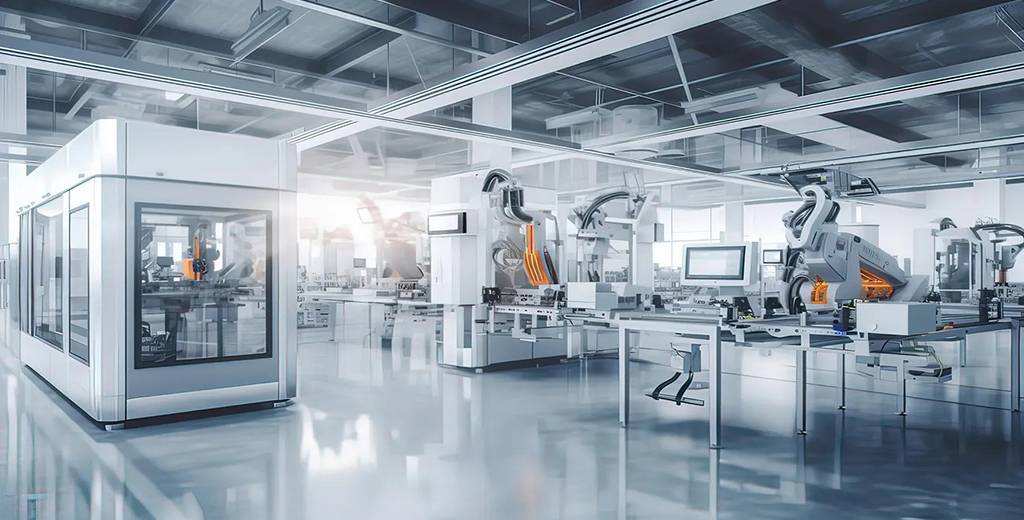
When we talk about AI in manufacturing, the conversation usually focuses on the game-changing promise: predictive maintenance, automated quality control, and optimized supply chains. But step onto the factory floor, and the reality looks quite different. Despite massive investments, many leaders are finding that scaling AI from a promising pilot to an enterprise-wide asset is surprisingly difficult.
The primary hurdle isn’t a lack of ambition—it’s the unspoken infrastructure and cultural friction beneath the surface.
First is the legacy data trap. Modern AI thrives on clean, continuous data streams. Yet most manufacturing facilities run on a patchwork of legacy machinery, proprietary PLCs, and air-gapped systems. Aggregating that data into a reliable format often requires months of custom engineering before an algorithm can process a single line of input.
Second is operational trust. A machine learning model might flag a 92% probability of equipment failure, but if machine operators don’t trust the output, they will override it. AI shouldn’t be treated as an isolated IT upgrade; it requires building cross-functional trust between data science teams and plant floor engineers who live the daily reality of production line dynamics.
Finally, there is the integration bottleneck. Deploying an isolated model is easy; connecting it to existing ERP, MES, and safety protocols without disrupting daily throughput is where many initiatives stall.
Overcoming these barriers doesn’t require waiting for a total hardware overhaul. It starts with targeted, pragmatic strategies: fixing data pipelines at the source, involving frontline operators early in product development, and focusing on incremental, high-value use cases.
AI holds undeniable potential for industrial operations, but turning that potential into standard operating procedure requires addressing the quiet friction points first.